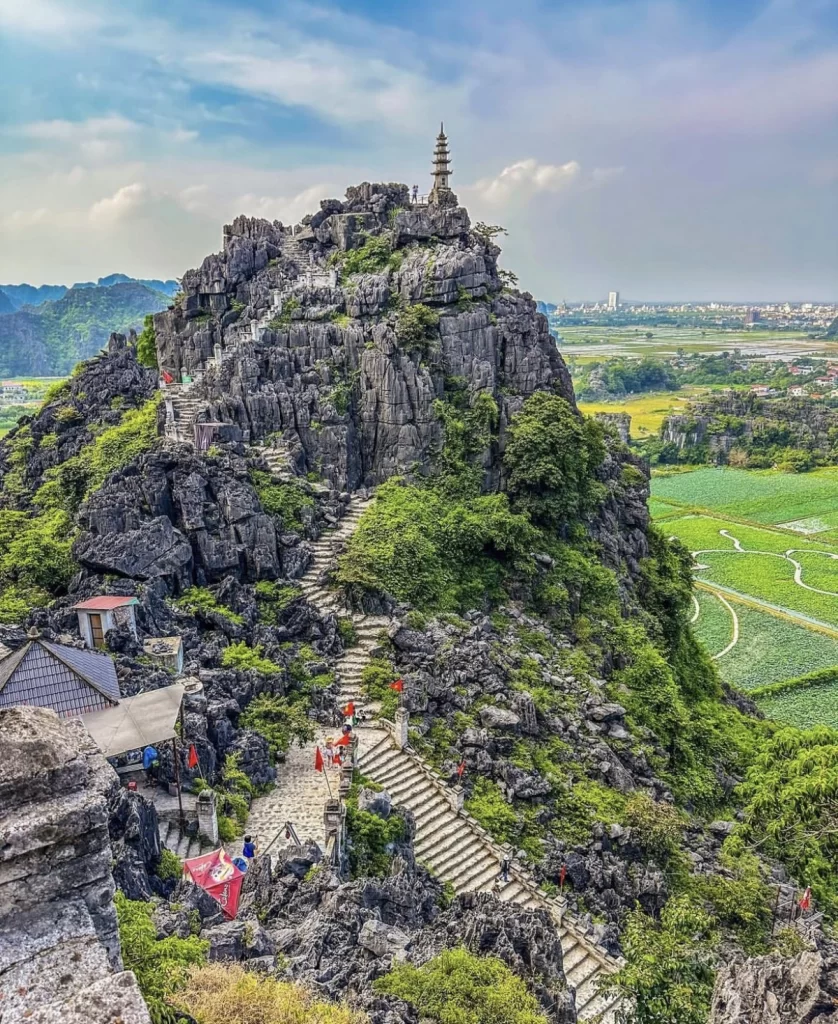
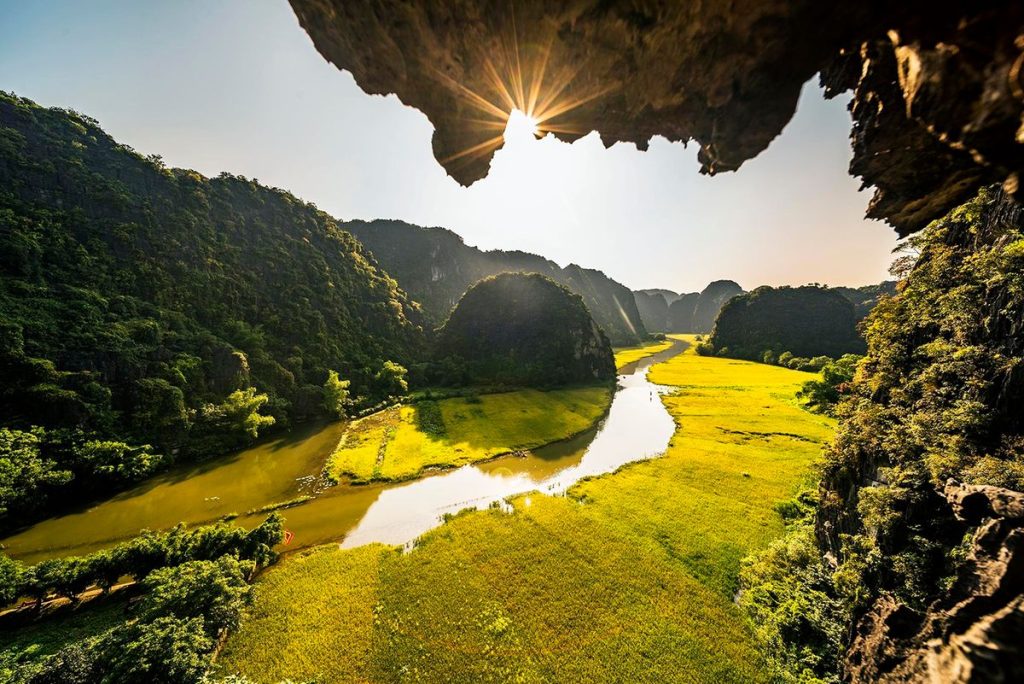
Mua Caves Ninh Binh, located inside Ngoa Long Mountain, have been the go-to destination for shutterbugs and casual travelers alike thanks to the Instagram-worthy panoramic views from the peak above. Mua Caves are usually featured as the best Ninh Binh cave for their prime location at the center of the Trang An Landscape Complex.

Mua Cave is located at Ninh Xuan communal – Hoa Lu district – Ninh Binh. About 2 hours from Hanoi, to reach the top we need to climb 486 stone steps is not easy, but it is worth it after you conquer it, you will come to the top of Mua Cave you can immerse yourself in the beautiful views.
History of the Mua Cave in Ninh Binh
When referring to Ninh Binh in general and Mua Cave specifically, one thing popping up in the Vietnamese’s minds is that it was once the Capital of Vietnam. Therefore, various Ninh Binh’s destinations may once be restricted for the Royal Family only.
>>> Day Tour Hang Mua – Tam Coc – Local Farmer’s House – Cycling – Hoa Lu (Group 9 by Limousine Car)
Legend has it that: during the Vietnam-Mongolia war I, the Royal Family Tran moved from Thang Long (Vietnam’s Capital at that time, now is Hanoi) to Ninh Binh and Mua Cave was chosen as an entertaining place. When the King needed some entertainment, a number of beautiful dancers were supposed to come there and dance. This is the way Mua Cave got its name, which as mentioned above, literally means Dancing Cave.
Enjoy Stunning View From Mua Caves
As mentioned above, one of the reasons why the Mua Cave complex is a must-try for visitors is its pristine nature. At the very first look, Mua Cave takes people’s breath away by its “green” nature. In the middle of this Complex (which is mostly covered by numerous shade trees, providing people a relaxing atmosphere as well as resting places) lays an artificial pond. The pond has an ancient beauty, which is not only a decoration but also an “air conditioner” for this place.
If you are a photographer or a fan of social media (Instagram, Facebook…), BELIEVE me, you must be here.
To reach the peak, visitors will climb up near 500 stones step. In the middle of the way up, there are two paths:
- The right one leading to one of the pagodas and virtual tower

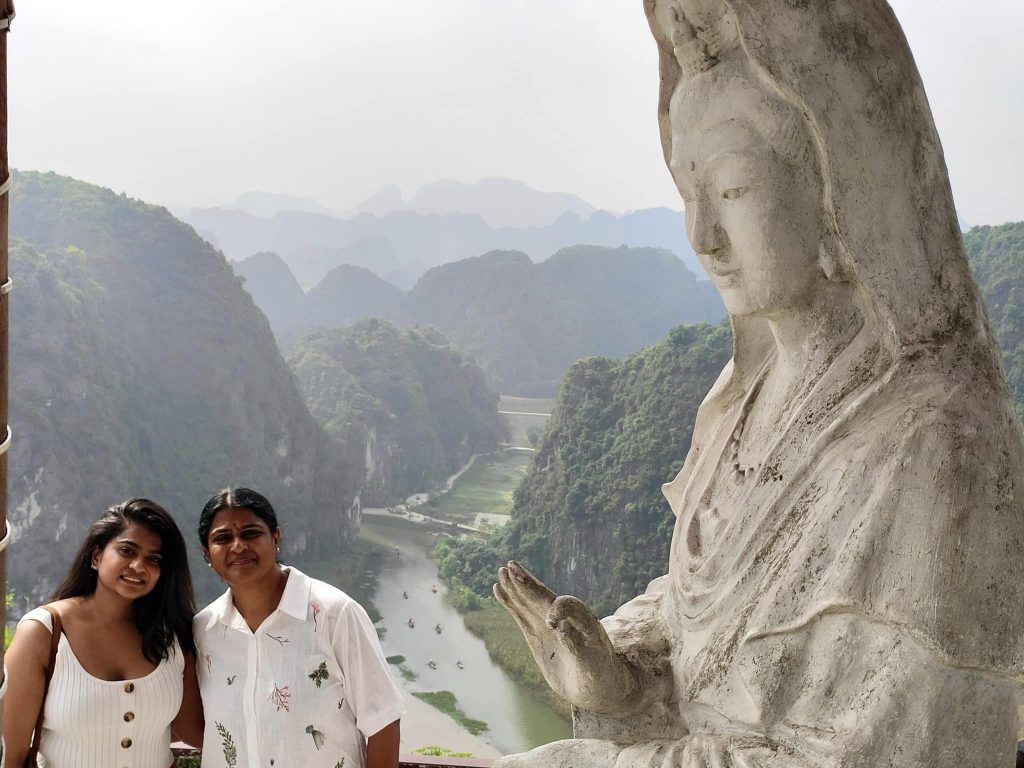
- The left one leading to the stone statue of Quan Am (The Goddess of Mercy) and the lying dragon statue. So, turn left to get the most breathtaking masterpieces of the whole area. Or visit both places if you can.
Embark on a captivating photographic journey at the virtual tower
Ascend almost 500 steps that lead to the summit, offering an exhilarating opportunity to unveil the secrets of this extraordinary tower. The ascent to the Mua Cave’s elevated platform presents a challenging incline, requiring approximately 25 to 45 minutes for completion, contingent upon your personal vigor.

Upon reaching the pinnacle of the mountain, a splendid spectacle awaits – the preeminent tower within Mua Caves Vietnam, distinguished by its exquisite Vietnamese traditional design. Behold the breathtaking panorama that unfolds from this elevated vantage point, where azure skies meet majestic, undulating mountains, resulting in an awe-inspiring tableau that is bound to leave an indelible impression.
Take tons of stunning photos at the lotus pond
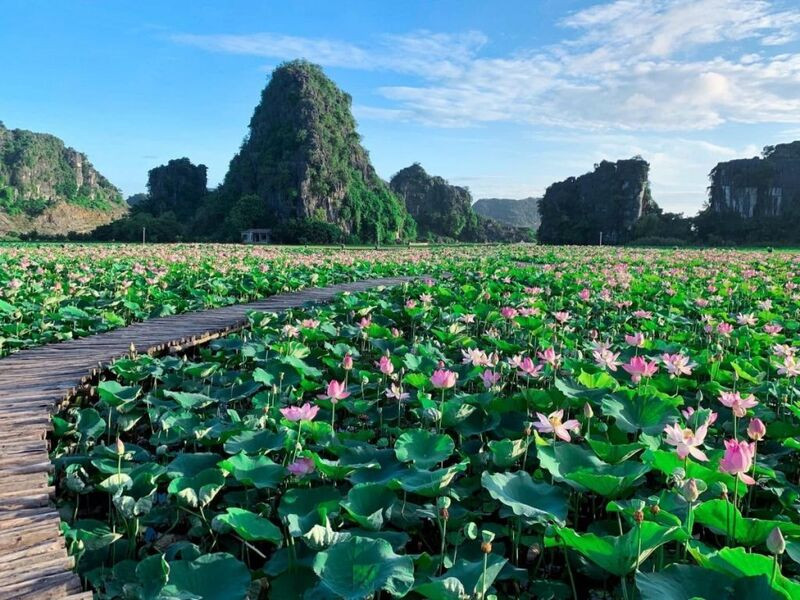
Vietnam’s tropical climate creates the perfect habitat for lotuses to thrive. So if you time your trip to Ninh Binh between May and July – the blooming season of these flowers – you will have the chance to indulge in the sight and take scores of share-worthy pictures of lotuses.
The lotus pond near Mua Caves Vietnam is one of the town’s largest lotus colonies. Lotus petals open in the morning, so early risers get to see them in their best at sunrise. Make your way across the pond on a simple wooden bridge, and if you fancy getting up close and personal with the flowers, you can take a boat and pick some.
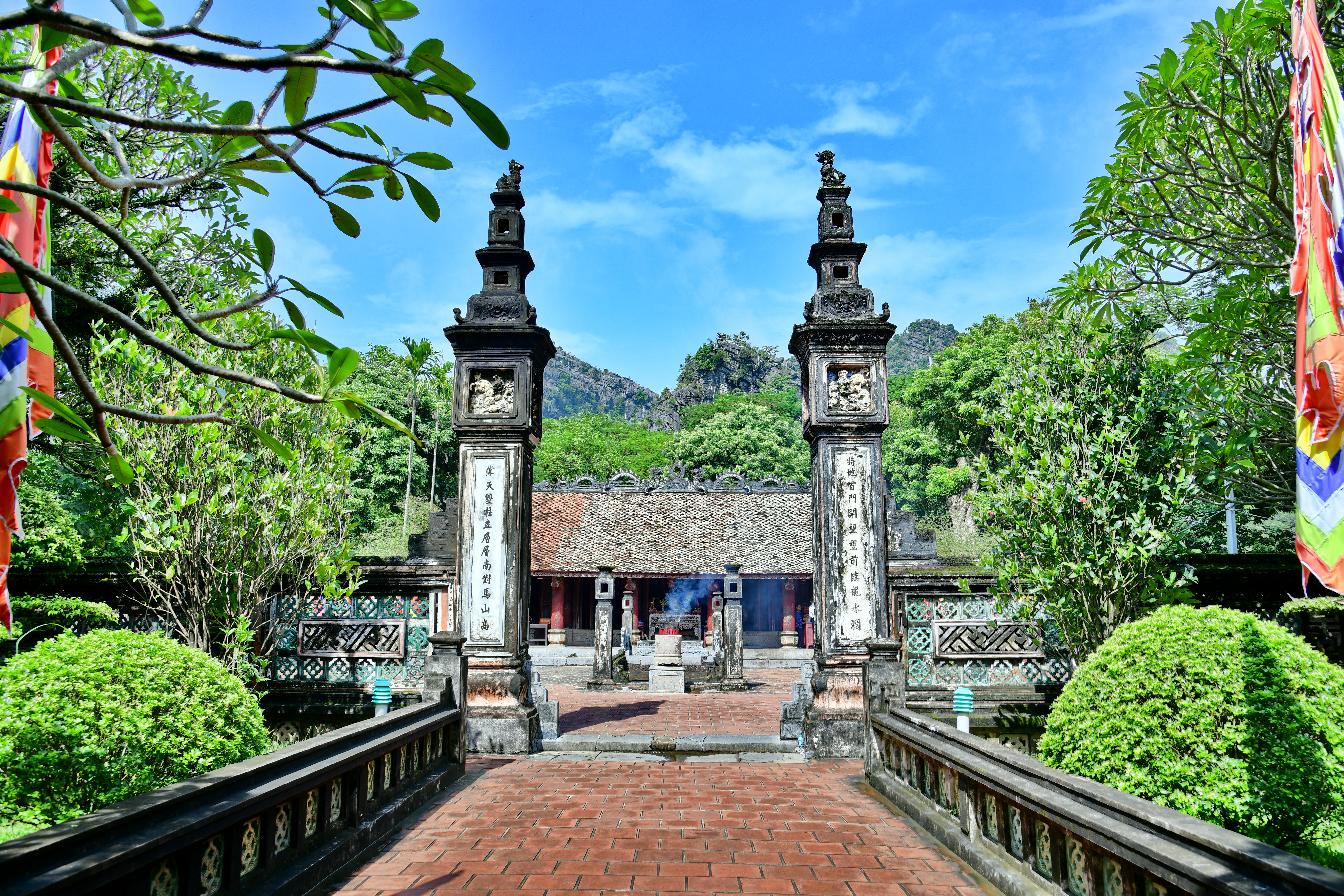
In addition to the lotus pond, there are many other prominent attractions near Mua Caves in Ninh Binh, such as the Trang An Landscape Complex, Tam Coc Town, Bich Dong Pagoda, and Hoa Lu Ancient Capital.
>>> Ninh Binh Experience at UNESCO Site by Private Tour From Hanoi
When is the best time to visit Mua Caves?
Mua Caves Ninh Binh can be visited all year round. The best time to visit is between November and April, when the weather is cool and dry.
Between May and October is the rainy season in Ninh Binh, characterized by heavy rainfall and high temperature. These months are usually when the town’s vegetation reaches its most verdant state.
Ninh Binh harvest season is from May to June, when the town’s paddy fields turn golden, so time your trip right if you want to see this impressive sight.
Ninh Binh offers a multitude of alluring tourist attractions beyond the renowned Mua Cave, ensuring that visitors have a diverse and enchanting range of experiences to enjoy. From ancient temples steeped in history to picturesque river cruises through serene landscapes, the province has something to captivate every traveler’s heart.
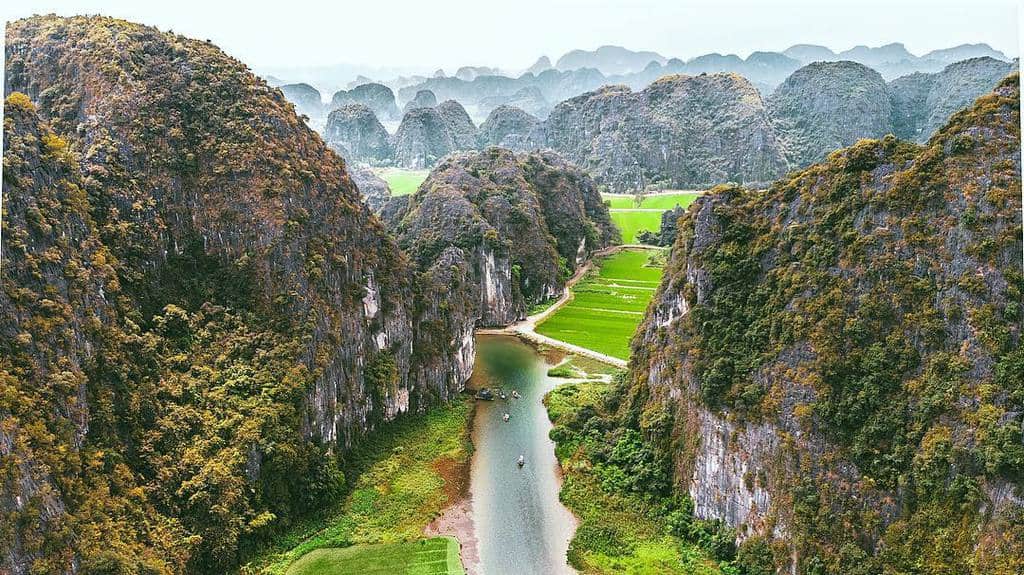
Trang An: Trang An is a UNESCO World Heritage Site renowned for its stunning karst landscapes, tranquil waterways, and complex cave systems. Visitors can embark on serene boat rides through the meandering rivers, passing beneath limestone archways, and explore the mysterious grottoes that dot this picturesque area.
Tam Coc: Tam Coc, often referred to as the “Halong Bay on Land,” offers a mesmerizing landscape of lush rice paddies and towering limestone karsts. A boat trip along the Ngo Dong River takes you through a series of caves in the Bich Dong area, revealing breathtaking natural beauty and cultural significance.
Bai Dinh Pagoda: Bai Dinh Pagoda is one of the largest Buddhist temple complexes in Southeast Asia. Nestled amidst the Trang An landscape, this sprawling complex encompasses ancient pagodas, grand statues, and serene courtyards, offering a spiritual retreat and a glimpse into Vietnamese religious culture.
Hoa Lu Ancient Capital: Hoa Lu served as the capital of Vietnam in the 10th and 11th centuries, and its historical significance is reflected in its ancient relics. Visitors can explore the temples dedicated to the Dinh and Le dynasties, situated amidst lush gardens and picturesque surroundings, providing a glimpse into the country’s rich past.